A shrinking workforce, rising costs, and, at the same time, stricter requirements for environmental protection and resource conservation: The agricultural sector is facing a profound transformation. Against this backdrop, the Federal Ministry of Agriculture, Food, and Regional Identity (BMLEH) has sent a clear signal with its new Directive No. 17/26/32, as digital robotics and automation solutions are expected to help reduce the workload on workers, increase productivity, and keep farms competitive in the long term.
This is where the ZIM AgriFlexBot Innovation Network comes in; it is funded by the Federal Ministry for Economic Affairs and Energy (BMWE) pursuant to a resolution of the German Bundestag. The network partners are developing modular and versatile robotic solutions for crop production. The goal is to reduce the workload on farmers, make processes more cost-effective, and at the same time contribute to more sustainable agriculture.
More time for what really matters
The robotics solutions developed within the network help farms make their day-to-day operations more efficient. Mechanical weed control, in particular, is labor-intensive, while at the same time there is a shortage of qualified workers in many areas. By automating time-consuming and physically demanding tasks, these technologies provide valuable relief. This leaves more time for tasks that require experience, expertise, and operational decision-making.
Fewer Herbicides, More Environmental Protection
At the same time, these new technologies make an important contribution to more sustainable agriculture. Precise mechanical weed control can significantly reduce the use of herbicides. This benefits not only the soil and water bodies, but also biodiversity in agricultural landscapes. At the same time, these solutions help farms meet environmental and climate protection requirements in a cost-effective and practical manner.
Flexible, cost-effective, and future-proof
Another key focus of AgriFlexBot is the development of an open reference architecture with standardized interfaces. This allows sensors, tools, software modules, and drive systems to be flexibly combined with one another. As a result, the systems can be adapted to different crops, farm sizes, and applications. This increases investment security, improves profitability, and creates sustainable solutions for modern agriculture.
The challenges facing agriculture and the solutions developed by the AgriFlexBot network are also reflected in the key objectives of the BMLEH’s current funding guidelines. The latest announcement outlines which areas will be given particular attention in the future.
Funding for Digital Robotics and Automation Solutions in Agriculture (Guideline No. 17/26/32)
The goal of this funding is to develop and test practical solutions that are as market-oriented as possible and that contribute to improving working conditions, ensuring efficient and resilient operational processes, and strengthening the competitiveness and appeal of agricultural careers.
What is eligible for funding?
Development of autonomous or semi-autonomous agricultural machinery, attachments, and drones equipped with digital sensors and automated control systems
Development of AI-powered robotic solutions for labor-intensive tasks, such as harvesting, maintenance, mowing, or specialty crops
Research on Human-Robot Collaboration in Agricultural Processes
Development of intelligent support systems and data-driven applications for the automation of agricultural work processes
Development of technologies to reduce physically demanding, monotonous, and time-consuming tasks, such as weed control, crop monitoring, or data collection
Development of solutions to reduce labor requirements and make more efficient use of existing human resources
Who is eligible for funding?
Eligible applicants are companies with headquarters or a branch office in Germany, particularly SMEs. Startups are also expressly invited to apply. Universities and non-university research institutions may participate in partnership with companies, provided that substantial industry involvement is ensured.
The application process consists of two stages. In the first stage, project proposals (max. 15 pages) must be submitted by December 1, 2026.
Are you interested in our network or the funding program? If so, please feel free to contact our network manager, Dr Andrea Staudler. More information about the network will soon be available at www.agriflexbot.de.
Text: Dr. Andrea Staudler
Did you enjoy this article?
If you liked the article, share it with your friends and colleagues on social media or by email.
Do you want to learn more about this topic? Schedule a meeting with an expert.
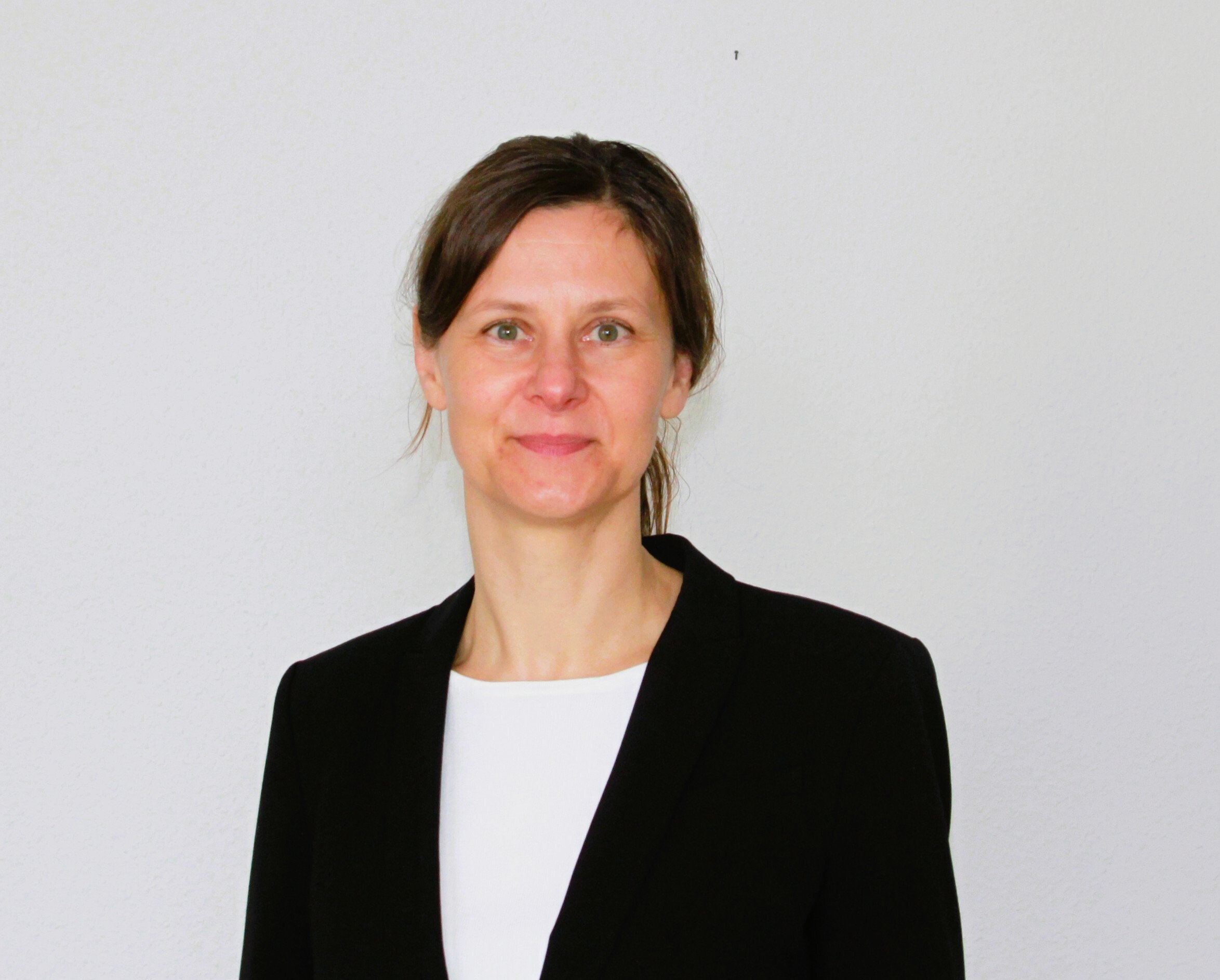
Dr Andrea Staudler is a biologist who earned her doctorate in biodiversity research at the University of Potsdam. Following positions at the University of Hamburg and Boston University, she joined EurA AG in 2015. As a Network and Project Manager, she supports innovation networks in the agricultural sector. In addition, she manages national and European R&D funding projects and has extensive expertise in evaluation, knowledge transfer and technology transfer.
The Federal Ministry for Economic Affairs and Energy (BMWE) has published the third call for proposals under the Federal Funding Program for Industry ...









EurA AG
T- 079619256-0Röhlinger Str. 24
73479 Ellwangen
info@eura-ag.com